by Hope
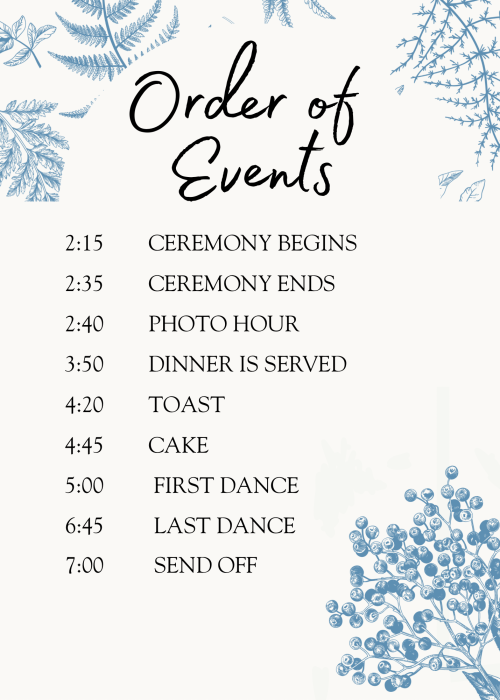
The wedding is this weekend!! My boys all fly in today along with my youngest brother and his girlfriend. (With my mom’s health, no one else from Texas felt comfortable making the trip. It’s sad, but we all understand.) We’ve got set up and the rehearsal dinner tomorrow afternoon. The wedding and reception on Saturday. Then everyone flys back out Sunday. A really quick trip.
But I’m so excited to have all my kiddos here for 48 hours. I’m headed down to Atlanta today to shuttle them back tonight. We will all spend the night at my grandmother’s house.
Outside of working this week, I’ve made several trips back and forth to Beauty’s house to tote things for the wedding over so it’s ready for tomorrow’s set up. (She and Redhead live about 40 minutes from here.)
Who knew how emotional and stressful a wedding can be?!? Another argument in my book for why I never wanted one. I just wasn’t one of those girls who ever dreamed of or planned a wedding. (Yes, I know this isn’t about me. It’s all about Beauty; these are just my thoughts and takeaways. I am 100% here to support Beauty’s vision and dream.)
Beauty has done soo much work. She’s got such a clear vision of what she wants. And I am so impressed with how it’s all coming together.
Contingency Plan
We have had some scary moments, but we’ve been able to handle them quickly without too many arguments or meltdowns.
- The photographer cancelled last minute. Thankfully, I was able to get the photographer I’ve used for our family photos, the kids senior pics, and even Beauty’s bridal shower, so crisis averted. The challenge is that the photographer is not returning their deposit until after the wedding, so small panic mode, but we figured out how to handle.
- Due to them being incapacitated due to the wreck, some of the design pieces that they were going to do themselves had to be changed. The florist, one of my childhood friends, and our church family has been amazing at stepping up to help us pivot and get it in line with her vision.
It seems like every day has brought us a “emergency” to handle, but we got here, and I believe we are about ready.
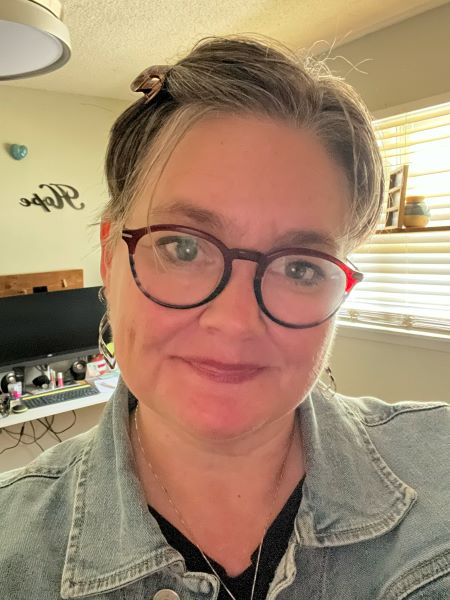
Hope is a resourceful and solutions-driven business manager who has spent nearly two decades helping clients streamline their operations and grow their businesses through project management, digital marketing, and tech expertise. Recently transitioning from her role as a single mom of five foster/adoptive children to an empty nester, Hope is navigating the emotional and practical challenges of redefining her life while maintaining her determination to regain financial control and eliminate debt.
Living in a cozy small town in northeast Georgia with her three dogs, Hope cherishes the serenity of the mountains over the bustle of the beach. Though her kids are now finding their footing in the world—pursuing education, careers, and independence—she remains deeply committed to supporting them in this next chapter, even as she faces the bittersweet tug of letting go.
Since joining the Blogging Away Debt community in 2015, Hope has candidly shared her journey of financial ups and downs. Now, with a renewed focus and a clear path ahead, she’s ready to tackle her finances with the same passion and perseverance that she’s brought to her life and career. Through her writing, she continues to inspire others to confront their own financial challenges and strive for a brighter future.