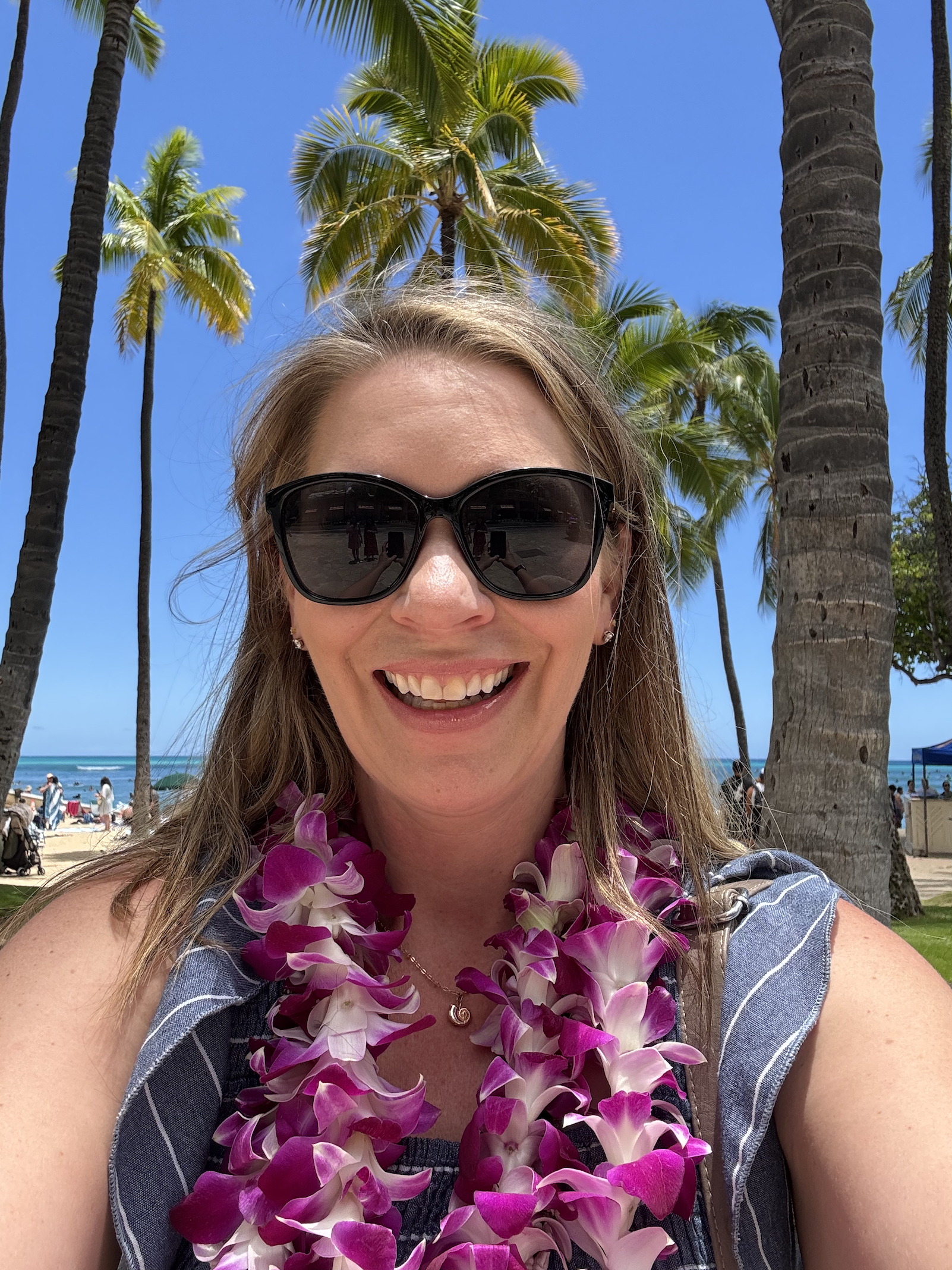
by Hope
I’ve now been on the road for two weeks. And nothing has gone according to plan. From Day 1.
If you follow me on social media, you know that tragedy struck my family hard two weeks ago. Unexpectedly, devastatingly hard. The whole planned trip got cancelled or rather rerouted, repurposed, and rearranged 4 hours into our drive away from home. And my whole family is still reeling. The loss is so hard.
My brother died. The eldest of my three brothers is gone. Forever.
Instead of a “getting dad back into the world” road trip. It became a find out what happened, plan a service, say good bye to someone who is gone far too early trip. And then clean up.
It’s one thing to say good bye to someone whose time it is, who is sick, who is ready. It’s another to be shocked at a death with absolutely so forewarning and so many questions. Questions, we may never have answers too.
And even I, who can always find a silver lining, find some hope, see an adventure in a hardship…I can’t, in this.
And if dealing with the loss of my mom and the “estate” type stuff the last 4 months wasn’t enough, now wading into that with my brother to help my dad. It’s a whole different story. Lots of other players, decision makers, influencers. It’s hard, so hard. Especially when what we really want is answers to so many unanswered questions.
Death is expensive. Mind blowingly expensive. How in the world do people afford these services?
Please plan for it. Even if it’s not expected. Maybe especially if it’s not expected. Tell your loved ones your desires for your body, your service, your stuff. Your memory. Don’t leave things unsaid. Forgive.
While my day to day life may not be changing. My heart and mind are changed forever.
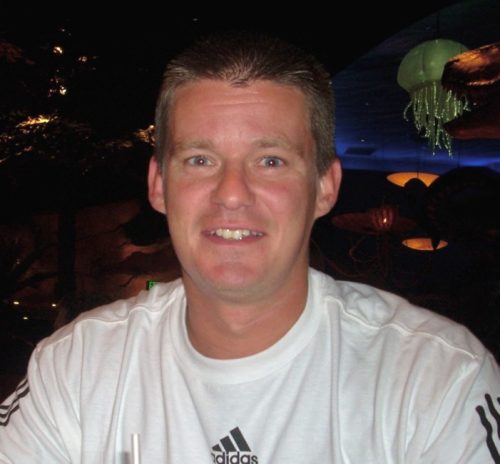
My brother’s obituary: https://www.dignitymemorial.com/obituaries/katy-tx/micah-huckaby-13076404
The “trip” will end a week earlier than planned. Dad did make it to his high school reunion. In fact, he’s there as I’m writing this. We all encouraged him to attend seeing it’s probably the last time he will see many of these people and he’s so been looking forward to it. I am getting to check on my storage unit for the first time in over a year. And see my daughters for a couple of days.
But the work has just begun. Lots of “stuff” to sort. And lot’s of grief…so much grief.
And we await the autopsy report. With hope and dread. This isn’t supposed to happen…to anyone.
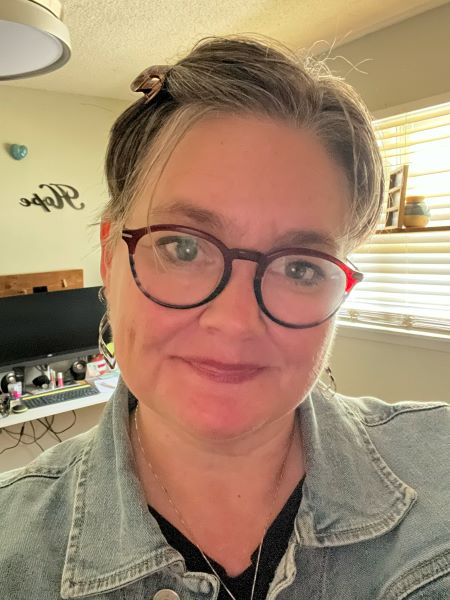
Hope is a resourceful, solutions-driven online business manager with over two decades of experience helping clients streamline operations, manage projects, and grow their businesses through digital marketing and technology.
But life has a way of rewriting your plans.
A year ago, Hope made the decision to move in with her aging parents full time – a season she wouldn’t trade, even as it came with its own financial and emotional weight. Earlier this year, she lost her mother, and is now walking the tender, disorienting path of grief while learning what “forward” looks like from here.
Hope came to the Blogging Away Debt community in 2015 as a single mom raising five foster and adoptive children. She’s written through job changes, financial setbacks, and the bittersweet transition to an empty nest. Her kids are finding their footing in the world now – and so is she.
Rooted in faith and fueled by the same perseverance she’s brought to every hard season, Hope is ready to face her finances with fresh eyes and an honest pen. She believes that clarity, courage, and community can change the trajectory of anyone’s story including her own.
She lives in Austin, TX with her dad, loves adventures with her dog Addie, and is figuring out, one step at a time, what this next chapter is meant to be.