

by Hope
Three weeks and one day on the road complete. A whirlwind of seeing the country, packing up a child to move, and lots of days in the car…and we are back.
I am so grateful for the reset. The experience. Car camping is an entirely different experience out west where there’s lots of BLM land. The cooler nights were perfect. And I saw so, so much of the country that I hadn’t seen in my adult life. The mountains of Missouri, the lakes and farm in Oklahoma, the red cliffs and beautiful yet desolate lands of New Mexico, Arizona mountains and canyons and the ocean up and down the Pacific Northwest Highway in California. My head is still spinning.
Hiking Everywhere
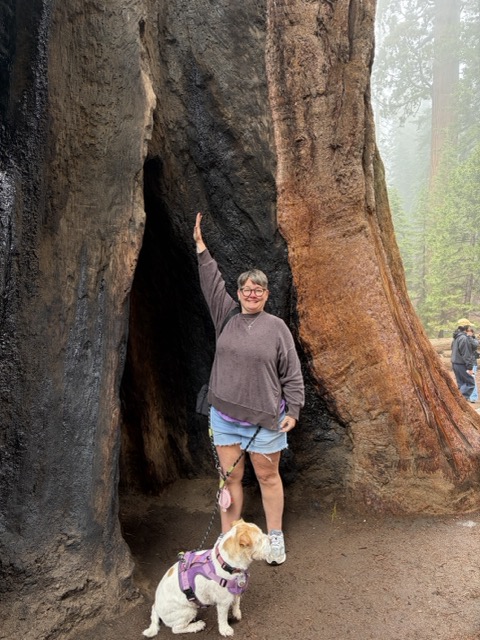
And the best part was being able to limit my drive times every day to enjoy long hikes. I hiked in 7 different National Parks from Eisenhower just north of Dallas to Red Rocks in Nevada, the Grand Canyon in Arizona, saw the largest tree on earth in the Sequoia National Forest in California to the Petrified Forest, to Palo Duro Canyon outside Amarillo. It was a life changing journey all the way around. (I saw someone mentioned the cost of park entry. Thankfully, I have a lifetime America the Beautiful pass that allows me entry to all the parks.)
Back to Reality
We got back to Texas yesterday. And tomorrow I begin house/dog sitting for a week for one of my brothers. (Working as a dog/house sitter via Rover.com has been a pretty lucrative side gig so far. I’ve already had repeat requests and bookings, and some future work pending.)
I also picked up a new client over the last week so that was a boon to add during the trip as well.
More updates to come…but wanted to drop in a say Hello. I’ll get the total trip costs calculated and posted over the next week. The gas was high, as expected. But car camping was free. I took plenty of food for both Addie and I. So for being gone so long, it really wasn’t terrible. And as I have always thought…I LOVE car camping, even for an extended period.
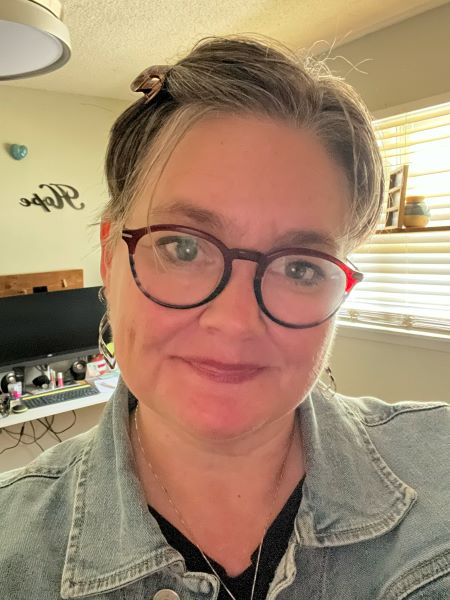
Hope is a resourceful and solutions-driven business manager who has spent nearly two decades helping clients streamline their operations and grow their businesses through project management, digital marketing, and tech expertise. Recently transitioning from her role as a single mom of five foster/adoptive children to an empty nester, Hope is navigating the emotional and practical challenges of redefining her life while maintaining her determination to regain financial control and eliminate debt.
Living in a cozy small town in northeast Georgia with her three dogs, Hope cherishes the serenity of the mountains over the bustle of the beach. Though her kids are now finding their footing in the world—pursuing education, careers, and independence—she remains deeply committed to supporting them in this next chapter, even as she faces the bittersweet tug of letting go.
Since joining the Blogging Away Debt community in 2015, Hope has candidly shared her journey of financial ups and downs. Now, with a renewed focus and a clear path ahead, she’s ready to tackle her finances with the same passion and perseverance that she’s brought to her life and career. Through her writing, she continues to inspire others to confront their own financial challenges and strive for a brighter future.


